
LED Strip Lights Guide: Transform Your Space with Ambient Vibe Lighting Solutions
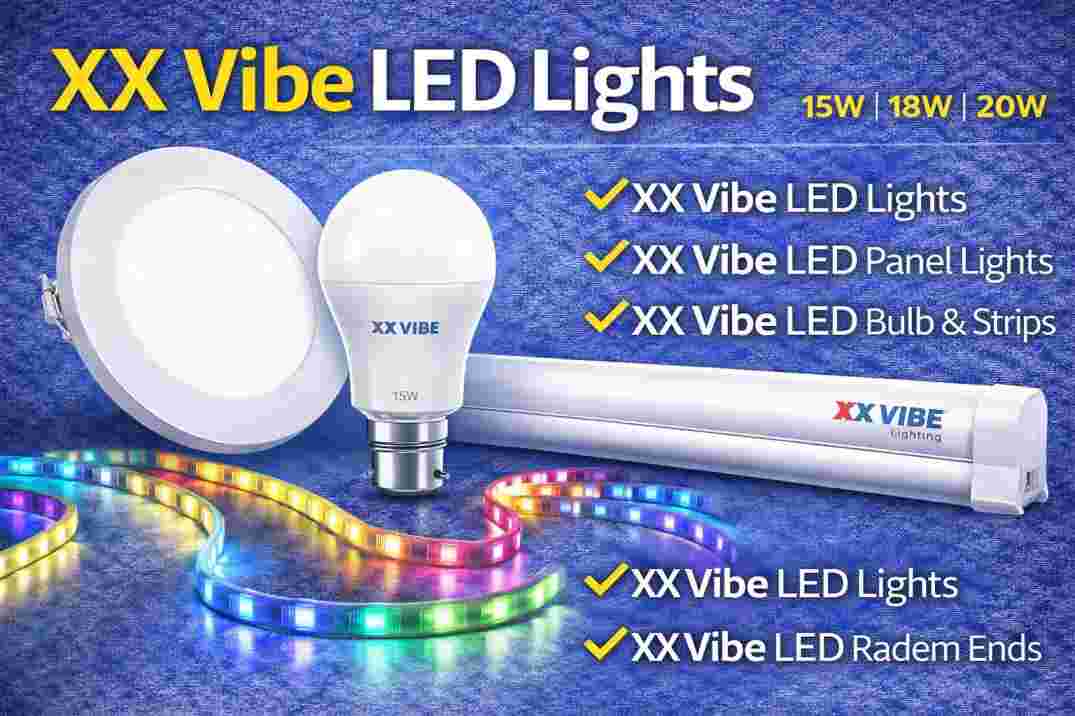
Modern interior design has witnessed a revolutionary transformation with the advent of LED strip lights, versatile lighting solutions that combine functionality, aesthetics, and energy efficiency. Whether you're constructing a new home, renovating an existing space, or seeking to enhance your commercial property's ambiance, LED strip lights offer unprecedented flexibility in creating customized lighting experiences. From subtle accent lighting that highlights architectural features to vibrant RGB color displays that set the perfect mood, these innovative lighting solutions have become indispensable tools for designers, contractors, and homeowners alike. This comprehensive guide explores everything you need to know about LED strip lights, helping you create the perfect vibe for any space.
Understanding LED Strip Lights: Technology and Components
LED strip lights, also known as LED tape lights or LED ribbon lights, consist of multiple light-emitting diodes mounted on a flexible circuit board. This ingenious design allows the strips to bend, curve, and conform to various surfaces, making them ideal for applications where traditional lighting fixtures cannot reach or would appear bulky and obtrusive.
The basic anatomy of an LED strip includes the flexible PCB (Printed Circuit Board) that serves as the foundation, individual LED chips spaced at regular intervals along the strip, resistors that regulate current flow to protect the LEDs, copper traces that conduct electricity throughout the strip, and an adhesive backing for easy installation on various surfaces. Higher-quality strips may include additional features such as waterproof coating, color-changing capabilities, and smart connectivity options.
LED technology offers significant advantages over traditional incandescent and fluorescent lighting. LEDs convert approximately 95% of energy into light and only 5% into heat, compared to incandescent bulbs that waste about 90% of energy as heat. This exceptional efficiency translates to lower electricity bills and reduced cooling costs, particularly important in India's warm climate.
Types of LED Strip Lights
Single Color LED Strips
Single color LED strip lights emit one consistent color throughout the entire strip. The most common variants include warm white (2700K-3000K) that creates a cozy, inviting atmosphere similar to traditional incandescent bulbs, ideal for living rooms, bedrooms, and hospitality spaces; cool white (5000K-6500K) that produces crisp, bright illumination perfect for task lighting in kitchens, offices, and workspaces; and natural white (4000K-4500K) that offers balanced lighting suitable for general illumination in various settings.
Beyond white variants, single color strips are available in red, blue, green, yellow, and other colors for specific decorative or functional applications. These monochromatic strips typically cost less than color-changing alternatives and offer simpler installation and control.
RGB LED Strip Lights
RGB LED strips represent a major step forward in lighting versatility. These strips contain red, green, and blue LED chips that can be combined in various intensities to produce millions of color combinations. By adjusting the brightness of each color channel, you can create virtually any color in the visible spectrum.
RGB strips come with controllers that allow you to select colors, adjust brightness, and activate various lighting effects such as color fading, strobing, and smooth transitions. More advanced controllers include remote controls, smartphone apps, voice control integration with Amazon Alexa or Google Assistant, and music synchronization capabilities that pulse lights to audio beats.
RGBW and RGBWW LED Strips
RGBW (RGB + White) and RGBWW (RGB + Warm White + Cool White) strips add dedicated white LED chips alongside the standard RGB configuration. This enhancement addresses a common limitation of standard RGB strips, which struggle to produce pure, bright white light through color mixing alone. The dedicated white LEDs provide crisp, true white illumination while maintaining full RGB color capabilities.
RGBWW strips go even further by including both warm and cool white LEDs, allowing you to adjust color temperature from warm amber tones to cool daylight hues while retaining complete RGB color functionality. These premium strips offer maximum versatility for applications requiring both functional white lighting and decorative color displays.
Addressable LED Strips
Addressable or "pixel" LED strips contain individual control chips for each LED or group of LEDs, enabling independent control of every segment. This advanced technology allows creation of complex animations, running patterns, wave effects, and even display of images or text along the strip length.
Popular addressable LED protocols include WS2812B, WS2815, SK6812, and APA102. While more expensive and complex to program than standard strips, addressable LEDs offer unmatched creative possibilities for professional installations, retail displays, entertainment venues, and enthusiast projects.
Waterproof LED Strip Lights
Waterproof LED strips feature protective coatings that shield components from moisture, dust, and physical damage. The IP (Ingress Protection) rating system indicates the level of protection, with common ratings including IP20 (no protection, indoor use only), IP65 (splash-proof, suitable for bathrooms and covered outdoor areas), IP67 (water-resistant, can withstand temporary submersion), and IP68 (fully waterproof, suitable for underwater applications).
For outdoor installations, bathrooms, kitchens, or any moisture-prone environment, waterproof LED strips are essential. The silicone or epoxy coating adds minimal thickness while providing crucial protection that extends strip lifespan in challenging conditions.
Creating the Perfect Vibe: Applications and Design Ideas
Residential Applications
LED lights for home decoration have revolutionized interior design possibilities. In living rooms, LED strips installed behind televisions create eye-catching backlighting that reduces eye strain during viewing while adding visual depth to entertainment areas. Cove lighting along ceiling perimeters creates ambient illumination that makes rooms feel larger and more sophisticated.
Kitchen applications include under-cabinet task lighting that illuminates countertops for food preparation, toe-kick lighting that adds subtle floor-level ambiance while improving nighttime navigation safety, and inside glass-front cabinets to showcase dishware and create a high-end appearance.
Bedroom LED strip installations can include headboard backlighting for reading and ambiance, wardrobe interior lighting for better visibility, and indirect ceiling lighting with dimming capabilities for adjustable mood setting. RGB strips controlled via smartphone apps allow easy adjustment of colors and brightness to match different activities or times of day.
Bathroom LED strips enhance both functionality and aesthetics through vanity mirror backlighting that provides flattering, shadow-free illumination for grooming, shower niche lighting that highlights architectural features, and floor-level pathway lighting for safe nighttime navigation. Waterproof strips rated IP65 or higher are essential for these moisture-rich environments.
Commercial and Retail Applications
Retail environments leverage LED strip lights to guide customer attention, highlight merchandise, and create inviting atmospheres that encourage browsing and purchases. Display case lighting draws eyes to featured products, shelf edge lighting delineates product categories, and architectural accent lighting emphasizes store design elements.
Hospitality venues including hotels, restaurants, and bars use LED strips extensively to establish desired moods and ambiances. Color-changing capabilities allow venues to transform from bright, energetic daytime settings to intimate, relaxed evening atmospheres without physical lighting changes. Restaurants often install strips in ceiling recesses, bar counters, and architectural niches to create layered lighting that enhances dining experiences.
Office environments benefit from LED strip lighting through conference room accent lighting, reception area feature walls, and workstation task lighting. Cool white strips promote alertness and productivity in work areas, while warmer tones in break rooms and lounges encourage relaxation.
Architectural and Landscape Applications
Exterior building facades gain dramatic visual impact through strategically placed LED strips that highlight architectural features, create silhouettes against night skies, and enable dynamic color displays for special events or branding purposes. Modern buildings often incorporate LED strips into design schemes from initial planning stages.
Landscape lighting applications include pathway edging for safety and aesthetics, garden bed accent lighting to showcase plantings, water feature illumination, and outdoor entertainment area ambiance. Waterproof RGB strips allow homeowners to change colors seasonally or for special occasions, creating fresh looks without physical modifications.
Technical Specifications and Selection Criteria
LED Density and Brightness
LED density, measured in LEDs per meter, significantly impacts brightness and light quality. Common densities include 30 LEDs/meter for accent lighting and basic applications where high brightness isn't critical, 60 LEDs/meter representing the standard density for most residential and commercial applications offering good balance between brightness and cost, 120 LEDs/meter for applications requiring bright, uniform illumination without visible individual LED dots, and 240 LEDs/meter for professional installations demanding maximum brightness and seamless light output.
Higher density strips produce smoother, more continuous lighting effects but consume more power and generate more heat, requiring appropriate power supplies and potentially additional cooling considerations for enclosed installations.
Voltage Options
LED strips operate on low-voltage DC power, with 12V and 24V being most common. The 12V option works well for shorter runs up to 5 meters and simpler installations with readily available power supplies. The 24V strips better suit longer runs with less voltage drop, professional installations requiring extended lengths, and applications where consistent brightness across long distances is critical.
Higher voltage strips experience less brightness reduction over length due to reduced current requirements. For runs exceeding 5 meters, 24V strips or strategic power injection points are recommended to maintain uniform illumination.
Power Consumption and Supply Requirements
Calculating power requirements ensures proper power supply selection and prevents overloading. Power consumption varies based on LED type, density, and brightness settings. Typical consumption ranges from 4.8W per meter for basic 30 LED/meter single color strips to 14.4W per meter for standard 60 LED/meter RGB strips, and up to 28.8W per meter for high-density 120 LED/meter configurations.
Power supplies should be sized at least 20% above calculated consumption to prevent overloading and ensure stable operation. For example, a 5-meter strip consuming 72W total requires a minimum 90W power supply, though a 100W unit provides comfortable headroom.
Color Temperature and CRI
For white LED strips, color temperature measured in Kelvin determines the light's appearance from warm amber tones to cool blue-white. Color Rendering Index (CRI) indicates how accurately colors appear under the light compared to natural daylight, rated on a scale of 0-100. High-quality LED strips should offer CRI of 80 or higher, with premium options reaching CRI 90+ for applications where accurate color perception matters, such as retail displays, art galleries, or makeup areas.
Installation Best Practices
Surface Preparation
Proper surface preparation ensures secure adhesion and long-term reliability. Clean installation surfaces thoroughly with isopropyl alcohol to remove dust, grease, and contaminants that compromise adhesive bonding. Allow surfaces to dry completely before application. Smooth, clean surfaces like painted walls, glass, metal, and quality plastics provide best adhesion. Rough or textured surfaces may require additional mounting channels or clips.
Mounting Options
While most LED strips include adhesive backing, various mounting methods suit different applications. Direct adhesion using the included 3M-style tape works well for permanent installations on clean, smooth surfaces. Aluminum channels or profiles provide professional appearance, improve heat dissipation, protect strips from physical damage, and allow easy diffuser installation for smoother light output without visible LED dots.
Mounting clips and brackets enable installation on surfaces where adhesive won't work effectively or where removability is desired. For outdoor or industrial environments, cable ties and mounting brackets provide secure attachment that withstands vibration and environmental stresses.
Wiring and Connections
Proper electrical connections ensure safe, reliable operation. Strip-to-strip connections can utilize solderless connectors for quick, tool-free joining, though soldered connections provide most reliable electrical contact for permanent installations. Always observe polarity when connecting strips to power supplies, as reversed polarity can damage LEDs.
For long runs, implement power injection at multiple points rather than connecting everything in series. This practice maintains brightness uniformity and prevents voltage drop issues that cause dimming at strip ends.
Controllers and Dimming
RGB and RGBW strips require controllers to manage color mixing and effects. Controller options range from simple remote controls with basic functions to sophisticated smartphone apps offering advanced programming, to voice control integration with smart home systems, and DMX controllers for professional installations requiring precise, synchronized control across multiple fixtures.
Dimming capabilities allow adjustment of light intensity to match activities and preferences. PWM (Pulse Width Modulation) dimming is standard in LED controllers, providing flicker-free operation across the full dimming range when properly implemented.
LED Strip Lights Price in India
Understanding LED strip lights price helps with project budgeting and product selection. The Indian market offers extensive options across various price points. Basic single-color strips start from Rs. 200-400 per 5-meter roll for economy options, Rs. 500-1,000 per 5-meter roll for quality branded strips, and Rs. 1,500-3,000 per 5-meter roll for premium strips with high CRI and density.
RGB LED strips typically range from Rs. 400-800 per 5-meter roll for basic RGB with simple remote, Rs. 1,000-2,500 per 5-meter roll for quality RGB with smartphone app control, and Rs. 3,000-6,000 per 5-meter roll for RGBW or addressable strips with advanced features.
Additional costs include power supplies ranging from Rs. 300-1,500 depending on wattage, controllers priced at Rs. 200-2,000 based on sophistication, aluminum channels costing Rs. 100-300 per meter, and connectors and accessories typically Rs. 50-200 for assorted components.
At OMJI Construction, we recommend balancing initial cost against quality and longevity. Premium strips from established manufacturers typically offer better color consistency, longer lifespan, safer components, and more reliable performance compared to ultra-budget alternatives. For permanent installations, the incremental cost of quality products proves worthwhile through reduced maintenance and replacement expenses.
Top LED Strip Light Brands in India
The Indian market features numerous domestic and international brands offering LED strip solutions. Established electrical brands like Philips, Wipro, Crompton, Bajaj, and Syska offer reliable options with nationwide service networks. These brands provide quality assurance, proper certifications, and warranty support.
Specialized lighting manufacturers including Instapower, Legero, and Ever Forever focus specifically on LED products, often offering extensive ranges with competitive pricing. International brands available in India such as Osram, Samsung, and LG provide premium options for high-end projects where maximum quality justifies higher costs.
When selecting brands, consider product certifications (BIS, ISI), warranty coverage, availability of replacement parts, technical support quality, and user reviews from similar applications. OMJI Construction maintains relationships with reputable suppliers to ensure clients receive genuine products with proper support.
Smart LED Strip Integration
Modern LED strips increasingly incorporate smart technology for enhanced control and integration with home automation systems. Wi-Fi enabled strips connect directly to home networks, allowing control via smartphone apps from anywhere with internet access. Bluetooth strips offer local control without requiring network connection, suitable for smaller installations.
Voice control integration with Amazon Alexa, Google Assistant, and Apple HomeKit enables hands-free operation through simple voice commands. Users can request specific colors, brightness levels, or activate preset scenes without touching physical controls.
Scene programming and automation allow creation of custom lighting scenarios triggered by time, motion sensors, or integration with other smart devices. For example, strips can automatically activate at sunset, adjust colors based on room occupancy, or synchronize with entertainment systems.
Maintenance and Longevity
Quality LED strips typically offer lifespans of 30,000 to 50,000 hours of continuous operation, translating to many years of typical use. Actual longevity depends on operating conditions, installation quality, and environmental factors. Heat management significantly impacts lifespan; strips operating in hot environments or without adequate ventilation degrade faster than those in cooler conditions.
Maintenance requirements are minimal. Periodic cleaning with soft, dry cloths removes dust accumulation that can reduce light output. For waterproof strips in outdoor settings, occasional inspection of seals and connections prevents moisture infiltration. If individual LEDs fail, sections can often be cut and replaced without replacing entire runs.
Power supply maintenance includes ensuring adequate ventilation to prevent overheating, checking connections for corrosion or loosening, and verifying output voltage remains within specifications. Quality power supplies include protection circuits against overvoltage, overcurrent, and short circuits that protect both the supply and connected strips.
Safety Considerations
While LED strips operate on safe low-voltage DC power, proper installation practices ensure safety and prevent hazards. Use appropriate power supplies rated for intended loads with relevant safety certifications. Avoid overloading power supplies beyond their rated capacity, which can cause overheating and potential fire hazards.
For outdoor installations or moisture-prone areas, ensure all connections have appropriate IP ratings and weatherproofing. Water ingress into electrical connections creates shock hazards and damages components. Install strips away from excessive heat sources and ensure adequate ventilation for heat dissipation.
When cutting strips, follow marked cutting points precisely to avoid damaging circuits. Use proper connectors rather than makeshift connections that may create poor electrical contact or expose live conductors. For permanent installations, consider having qualified electricians handle power supply wiring to electrical mains.
Environmental Impact and Energy Efficiency
LED strip lights offer significant environmental advantages over traditional lighting technologies. Their exceptional energy efficiency reduces electricity consumption by 70-80% compared to incandescent equivalents, translating to lower carbon emissions from power generation. The long lifespan of 30,000-50,000 hours reduces waste from frequent bulb replacements that plague incandescent and CFL technologies.
LEDs contain no mercury or other hazardous materials, making disposal safer compared to CFLs. The reduced heat generation lowers cooling loads in air-conditioned spaces, providing additional energy savings. For environmentally conscious projects, LED strips represent responsible lighting choices that align with sustainability goals.
Conclusion
LED strip lights have transformed how we approach lighting design, offering unprecedented flexibility, efficiency, and creative possibilities for residential, commercial, and architectural applications. From creating subtle ambient vibe lighting that enhances spaces without overpowering them to bold, colorful displays that make dramatic statements, these versatile lighting solutions adapt to virtually any vision. Understanding the various types available, their technical specifications, proper installation techniques, and brand options empowers you to make informed decisions that balance performance, aesthetics, and budget considerations. Whether you're embarking on new construction, renovation projects, or simple lighting upgrades, LED strip lights offer cost-effective solutions that deliver professional results. At OMJI Construction, our experience with diverse LED strip applications enables us to guide clients toward optimal selections and installations that create perfect lighting vibes while ensuring safety, reliability, and long-term value. The future of lighting is flexible, efficient, and endlessly customizable—and LED strip lights put that future within easy reach for every project.


