
Waterproof Paint Guide: Types, Applications & Best Solutions for Interior & Exterior Walls
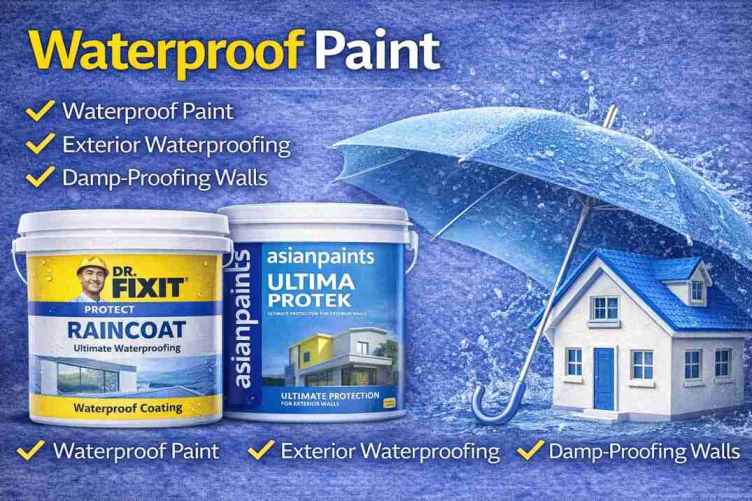
Moisture damage remains one of the most persistent and costly problems faced by property owners across India. From the relentless monsoon rains to high humidity levels in coastal areas, water infiltration can compromise structural integrity, promote mold growth, and diminish the aesthetic appeal of your home or commercial space. Waterproof paint offers a practical, cost-effective solution to combat these challenges, creating a protective barrier that shields walls from moisture while maintaining visual appeal. This comprehensive guide explores everything you need to know about waterproof paint, from understanding different types to selecting the right solution for your specific requirements.
What is Waterproof Paint and How Does It Work?
Waterproof paint is a specially formulated coating designed to prevent water penetration and provide enhanced protection against moisture-related damage. Unlike regular paints that primarily serve decorative purposes, waterproof paint contains a unique combination of specialized resins, additives, and pigments that create a tough, water-repellent barrier on painted surfaces.
The science behind waterproof paint lies in its composition. These paints typically incorporate acrylic, epoxy, or silicone-based resins that form a dense, impermeable film upon drying. The resins bind tightly to the substrate while specialized additives fill microscopic pores and capillaries in the surface, effectively blocking water's pathways. Many formulations also include antimicrobial agents that prevent mold and mildew growth, making them particularly valuable for humid environments.
It's important to understand the distinction between truly waterproof and water-resistant paints. Water-resistant paints can repel water to some degree but may eventually allow moisture penetration under prolonged exposure or high water pressure. Genuinely waterproof paints, when properly applied, create an impervious barrier that blocks water penetration entirely, making them suitable for demanding applications where complete moisture protection is essential.
Types of Waterproof Paint
Acrylic Waterproof Paint
Acrylic-based waterproof paint represents the most versatile and widely used category for both interior and exterior applications. These water-based formulations offer excellent breathability, allowing trapped moisture to escape while preventing external water from penetrating inward. Acrylic waterproof paints are particularly popular for exterior waterproof paint applications on concrete, plaster, and masonry surfaces.
The key advantage of acrylic formulations lies in their flexibility. They can expand and contract with temperature fluctuations without cracking or peeling, making them ideal for India's diverse climate conditions. Modern acrylic waterproof paints also boast low odor, quick drying times, and easy cleanup with water, making them user-friendly for both professional contractors and DIY enthusiasts.
Elastomeric Waterproof Coating
Elastomeric waterproof coatings represent premium-grade solutions offering exceptional durability and flexibility. These thick, rubber-like coatings can stretch significantly without losing their waterproofing properties, making them excellent for surfaces prone to movement or those with existing hairline cracks. Elastomeric coatings can bridge cracks up to 1.5mm wide, providing both waterproofing and structural protection.
These coatings are particularly effective for waterproof paint for exterior walls exposed to harsh weather conditions, including driving rain and intense UV exposure. Their thick application creates a seamless membrane that not only prevents water ingress but also provides additional thermal insulation, potentially reducing cooling costs in hot climates.
Epoxy Waterproof Paint
Epoxy-based waterproof paints contain plastic resins that cure into an exceptionally hard, durable, and completely waterproof finish. These paints are commonly used for concrete floors, basement walls, garage floors, and other high-traffic or high-moisture areas where maximum durability is required. Epoxy formulations offer superior resistance to chemicals, abrasion, and sustained water exposure.
However, epoxy paints have some limitations. They typically require more complex application procedures, including precise mixing of two components, and they may emit strong odors during application. Once cured, epoxy coatings are extremely durable but less flexible than acrylic alternatives, making them less suitable for surfaces subject to significant movement.
Masonry Waterproofing Paint
Masonry waterproofing paints are specifically formulated for porous substrates like concrete, brick, cement blocks, and stucco. These paints often incorporate ceramic materials or special fillers that penetrate deep into the substrate, filling capillaries and creating a water-resistant barrier both on the surface and within the material itself.
High-quality masonry waterproofing paints can resist substantial water pressure and are often used for basement walls, foundation walls, and below-grade applications where hydrostatic pressure is a concern. Many formulations can be applied to slightly damp surfaces, making them practical for existing moisture problems.
Silicone-Based Waterproof Paint
Silicone waterproof paints utilize advanced silicone technology to create highly breathable yet water-repellent surfaces. These paints excel in allowing water vapor to escape while preventing liquid water from penetrating, making them ideal for historic buildings or structures where breathability is crucial to prevent trapped moisture damage.
Silicone-based formulations offer exceptional weather resistance and longevity, often lasting significantly longer than conventional paints. They're particularly effective for exterior walls in coastal areas where salt-laden moisture poses additional challenges to building materials.
Applications: Where to Use Waterproof Paint
Waterproof Paint for Bathroom
Waterproof paint for bathroom applications must withstand constant exposure to steam, humidity, and direct water contact. Bathrooms present unique challenges with their combination of high moisture levels and temperature fluctuations from hot showers. Specialized bathroom waterproof paints incorporate antimicrobial additives that resist mold and mildew growth while maintaining their water-repellent properties.
For bathroom walls and ceilings, semi-gloss or satin finish waterproof paints work best, as they're more resistant to moisture than flat finishes and can be easily cleaned. Areas around showers, bathtubs, and sinks require particular attention. While waterproof paint provides excellent protection, it should complement rather than replace proper bathroom waterproofing membranes in wet areas like shower enclosures.
Kitchen Waterproofing
Kitchens face moisture challenges from cooking steam, splashes, and condensation. Waterproof wall paint in kitchens should offer not only moisture resistance but also easy cleanability to handle grease, food stains, and regular washing. Areas near sinks, behind cooktops, and around dishwashers benefit most from waterproof paint application.
Basement and Below-Grade Applications
Basements present perhaps the most challenging waterproofing scenarios due to hydrostatic pressure from surrounding soil and groundwater. Basement waterproof paint must resist water pressure from the negative side (pushing against the paint from behind the wall). Specialized masonry waterproofing paints designed for basement applications can resist pressures of 10 PSI or more.
However, it's crucial to understand that waterproof paint alone cannot solve serious basement water problems. If water is actively seeping through foundation walls, the underlying issue must be addressed first through proper drainage, foundation repair, or exterior waterproofing. Paint should be applied only after resolving the root cause and allowing walls to dry completely.
Exterior Wall Waterproofing
Waterproof paint for exterior walls protects buildings from rain, wind-driven moisture, and humidity while providing aesthetic enhancement. Exterior waterproofing paints must withstand UV radiation, temperature extremes, pollution, and weathering while maintaining their protective properties.
For Indian climates, particularly during monsoon seasons, exterior waterproof paint plays a crucial role in preventing water infiltration that can lead to efflorescence, plaster damage, and interior dampness. The paint should allow the wall to breathe while repelling water, preventing moisture from becoming trapped within the wall structure.
Terrace and Roof Applications
Terraces and flat roofs face extreme conditions including standing water, intense UV exposure, and significant temperature variations. Specialized terrace waterproof coatings, often elastomeric or acrylic-based, provide the flexibility and durability needed for these demanding applications. These coatings typically require application in multiple coats to achieve the necessary thickness and coverage.
Benefits of Using Waterproof Paint
Investing in quality waterproof paint delivers numerous advantages beyond simple moisture protection. These specialized coatings prevent structural damage by stopping water infiltration that causes concrete spalling, steel reinforcement corrosion, and masonry deterioration. By creating an impermeable barrier, waterproof paint helps maintain structural integrity and extends building lifespan.
Health benefits are equally significant. By preventing dampness, waterproof paint inhibits mold and mildew growth, which can trigger respiratory problems, allergies, and other health issues. This is particularly important in bedrooms, children's rooms, and spaces occupied by individuals with respiratory sensitivities.
Aesthetic preservation represents another key benefit. Waterproof paint prevents the unsightly damp patches, efflorescence, and paint peeling that plague moisture-affected walls. Quality waterproof paints maintain their color and finish far longer than regular paints in humid or wet conditions, reducing the frequency of repainting and associated costs.
Energy efficiency improvements often accompany waterproof paint application, particularly with elastomeric coatings that provide thermal insulation. By preventing moisture infiltration, these paints also maintain the insulating properties of walls, contributing to more stable indoor temperatures and reduced cooling costs.
Long-term cost savings justify the higher initial investment in waterproof paint. By preventing moisture damage, these paints eliminate or significantly reduce repair costs for damp-related problems. Quality waterproof paints typically last five to eight years or more, depending on formulation and environmental conditions, providing excellent value over their service life.
Limitations and Considerations
While waterproof paint offers substantial benefits, understanding its limitations ensures realistic expectations and proper application. Waterproof paint addresses surface water and moisture issues effectively but cannot solve underlying structural problems. Active leaks, foundation cracks, or chronic water seepage require addressing root causes before painting.
Application complexity varies by product type. Epoxy paints demand precise mixing and timing, while some waterproof coatings require multiple layers with specific drying intervals between coats. Professional application is often recommended for critical areas or complex situations to ensure optimal performance.
Cost considerations include higher prices compared to regular paints, ranging from budget-friendly options to premium formulations. While waterproof paint price varies based on brand, type, and coverage, the investment typically proves worthwhile through reduced maintenance and longer service life.
Odor during application can be significant with certain formulations, particularly oil-based or epoxy paints. Adequate ventilation is essential, and some projects may require temporary relocation during application and initial curing.
Application Best Practices
Successful waterproof paint application begins with thorough surface preparation. Clean surfaces completely, removing dirt, dust, grease, and loose paint. Repair cracks, holes, and damaged areas using appropriate fillers or repair mortars. For new plaster or concrete, ensure adequate curing time before painting—typically 28 days for concrete.
Surface moisture content requires careful attention. While some masonry paints can be applied to slightly damp surfaces, most waterproof paints perform best on completely dry substrates. Conversely, some cementitious waterproofing paints require dampening the surface before application to ensure proper hydration and curing.
Prime when necessary, particularly on porous or problematic surfaces. Many waterproof paint systems include specific primers that enhance adhesion and performance. Follow manufacturer specifications regarding primer selection and application.
Apply waterproof paint in recommended thickness and layers. Many formulations require multiple coats to achieve specified dry film thickness for proper waterproofing performance. Allow adequate drying time between coats as specified by the manufacturer.
Environmental conditions during application affect results significantly. Avoid painting during rain, high humidity, or extreme temperatures. Most waterproof paints perform best when applied in moderate temperatures with low humidity and no rain forecast for at least 24 hours.
Protect freshly applied waterproof paint from rain, direct sunlight, and physical damage during the curing period. Full cure may take several days to weeks depending on the product, though surface drying occurs much faster.
Choosing the Right Waterproof Paint
Selecting appropriate waterproof paint requires evaluating several factors. Consider the substrate type—different formulations work optimally on concrete, plaster, wood, or metal surfaces. Interior versus exterior location dictates product selection, as exterior paints must withstand harsher conditions including UV exposure and temperature extremes.
The severity of moisture exposure guides product choice. Light moisture conditions may require only water-resistant paints, while areas with heavy water exposure or pressure demand truly waterproof formulations. Climate considerations matter too—humid coastal areas benefit from breathable silicone-based paints, while regions with moderate rainfall might use standard acrylic waterproof paints effectively.
Budget constraints can be balanced against performance requirements. While premium waterproof paints cost more initially, their superior durability and performance often provide better long-term value. At OMJI Construction, we help clients optimize product selection to achieve required protection within budget parameters.
Aesthetic requirements including color, finish, and appearance influence selection. Fortunately, modern waterproof paints are available in extensive color ranges and finishes from flat to high gloss, allowing protection without compromising design vision.
Popular Waterproof Paint Brands in India
The Indian market offers numerous waterproof paint options from established brands. Asian Paints offers Apex Ultima and SmartCare Damp Proof products, while Berger Paints provides WeatherCoat and Dampstop solutions. Nerolac's Excel Rain Guard and Nippon Paint's Weatherbond serve exterior applications effectively. Dr. Fixit from Pidilite Industries offers comprehensive waterproofing solutions including Raincoat and various specialized coatings.
International brands like Dulux, Jotun, and specialty manufacturers also serve the Indian market with premium waterproofing solutions. Each brand offers different formulations targeting specific applications and price points, making professional guidance valuable for optimal selection.
Maintenance and Longevity
Quality waterproof paint typically lasts five to eight years, though premium formulations can exceed ten years with proper maintenance. Regular inspection helps identify areas requiring touch-up before minor issues become major problems. Clean painted surfaces periodically to remove dirt, biological growth, and pollutants that can compromise waterproofing over time.
Address minor damage promptly. Small cracks or chips in waterproof paint should be repaired quickly to prevent water infiltration. Most manufacturers provide touch-up products compatible with their waterproof paint systems.
Conclusion
Waterproof paint represents an essential tool in protecting buildings from moisture-related damage while maintaining aesthetic appeal. From bathrooms and kitchens to exterior walls and basements, these specialized coatings provide reliable moisture protection when properly selected and applied. While not a universal solution for all water problems, waterproof paint serves as an effective component of comprehensive moisture management strategies. Understanding different types, proper applications, and realistic expectations ensures successful outcomes. Whether undertaking new construction or renovation projects, partnering with experienced professionals like OMJI Construction helps ensure optimal product selection, proper application, and long-lasting protection for your property investment.


