
Chicken Mesh for Plastering: Complete Guide to Wire Mesh & Jali | OMJI Construction
In the construction industry, selecting the right materials can make the difference between a structure that stands the test of time and one that requires frequent repairs. Among the essential materials used in modern construction, chicken mesh has emerged as an indispensable component for plastering, reinforcement, and various structural applications. This comprehensive guide explores everything you need to know about chicken wire mesh, its applications, pricing, and best practices for construction projects.
What is Chicken Mesh?
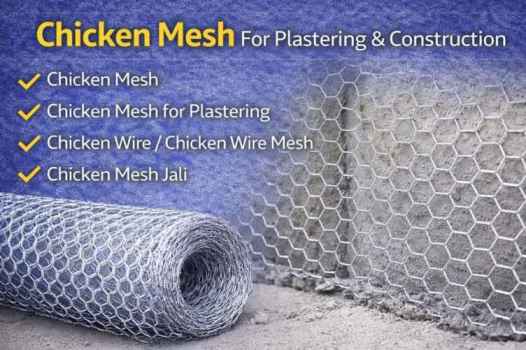
Chicken mesh, also commonly known as chicken wire or chicken wire mesh, is a flexible wire netting material characterized by its hexagonal pattern. Originally designed for poultry enclosures, this versatile material has found widespread applications in the construction sector. The mesh features a galvanized or PVC-coated wire woven into a distinctive honeycomb pattern that provides excellent strength-to-weight ratio and flexibility.
In construction terminology, particularly in Indian markets, chicken mesh is often referred to as mesh jali or chicken mesh jali, where "jali" means a perforated screen or lattice. This chicken net material comes in various gauges, aperture sizes, and coating options to suit different construction requirements.
Chicken Mesh for Plastering: Why It Matters
One of the primary applications of chicken mesh for plastering is preventing cracks and ensuring proper adhesion of plaster to walls and ceilings. When applied correctly, chicken wire mesh acts as a reinforcement layer that:
- Prevents crack formation: The mesh distributes stress evenly across the plastered surface, significantly reducing the likelihood of hairline cracks and major fractures that commonly occur due to structural settling or temperature fluctuations.
- Improves plaster adhesion: Particularly useful on smooth concrete surfaces or areas where different materials meet, the mesh provides a mechanical key for the plaster to grip onto, ensuring long-lasting adhesion.
- Reinforces weak areas: Corners, joints, and areas around openings are structurally vulnerable points. Chicken mesh provides additional strength in these critical zones.
- Bridges substrate differences: When plastering over dissimilar materials like brick and concrete blocks, the mesh creates a unified surface that prevents differential movement cracks.
Types of Chicken Wire Mesh Available
Understanding the different types of mesh jali available helps you select the most appropriate option for your specific construction needs:
Galvanized Chicken Mesh: This is the most common variant, featuring a zinc coating that provides excellent corrosion resistance. Ideal for interior plastering work and areas with moderate moisture exposure, galvanized chicken wire offers a cost-effective solution with good longevity.
PVC Coated Chicken Mesh: For enhanced durability and aesthetic applications, PVC-coated variants come in various colors. The plastic coating provides superior weather resistance, making it suitable for exterior applications and coastal areas where salt-laden air might corrode standard galvanized mesh.
Stainless Steel Chicken Wire: Though more expensive, stainless steel options offer maximum corrosion resistance and are preferred for high-end projects, food industry applications, or environments with aggressive chemical exposure.
Chicken Mesh Price: Understanding the Market
When considering chicken mesh price, several factors influence the final cost. The pricing typically varies based on wire gauge thickness, aperture size, coating type, and roll dimensions. In the Indian market, chicken mesh is generally sold by weight (per kilogram) or by roll size.
Standard galvanized chicken mesh for plastering applications typically ranges from budget-friendly options for basic construction needs to premium variants for specialized applications. The mesh jali price also fluctuates based on raw material costs, particularly steel prices in the global market.
At OMJI Construction, we recommend requesting quotes for specific project requirements rather than relying solely on generic pricing, as bulk orders often qualify for significant discounts. Additionally, considering the total lifecycle cost rather than just the initial purchase price is crucial, as higher-quality mesh may offer better value through reduced maintenance and longer service life.
Installation Best Practices
Proper installation of chicken wire mesh is critical to achieving optimal results in plastering applications. The mesh should be securely fastened to the substrate using appropriate fixings spaced at regular intervals, typically 150-200mm apart. Ensure adequate overlap of at least 50mm where mesh sheets meet to maintain continuity of reinforcement.
The chicken mesh should be positioned approximately in the middle third of the plaster layer thickness for maximum effectiveness. This placement ensures the reinforcement works efficiently in tension when cracks attempt to form. Clean the substrate thoroughly before installation, removing dust, loose particles, and any contamination that might affect adhesion.
Applications Beyond Plastering
While plastering remains the primary construction application, chicken wire mesh serves multiple purposes in building projects. It's used extensively in creating decorative ceiling features, providing base support for sculptural plasterwork, reinforcing concrete in non-structural applications, and creating temporary barriers or safety screens on construction sites.
The versatility of this chicken net material makes it invaluable for contractors handling diverse project requirements, from residential renovations to commercial construction.
Choosing the Right Supplier
Selecting a reliable supplier for your chicken mesh requirements ensures project success. Look for suppliers who provide proper documentation, including material certifications and compliance with relevant standards. Quality assurance is paramount, as substandard mesh can compromise the entire plastering system.
At OMJI Construction, we understand that timely delivery, consistent quality, and competitive pricing are essential factors for construction professionals. Our experience in the industry enables us to guide clients toward the most suitable chicken wire mesh options for their specific applications.
Conclusion
Chicken mesh remains an essential material in modern construction, particularly for plastering applications where crack prevention and surface reinforcement are priorities. Understanding the different types available, proper installation techniques, and market pricing helps construction professionals make informed decisions that balance quality, performance, and cost-effectiveness. Whether you're working on a small residential project or a large commercial development, investing in quality chicken wire mesh and following best practices ensures durable, crack-free plastered surfaces that stand the test of time.


